
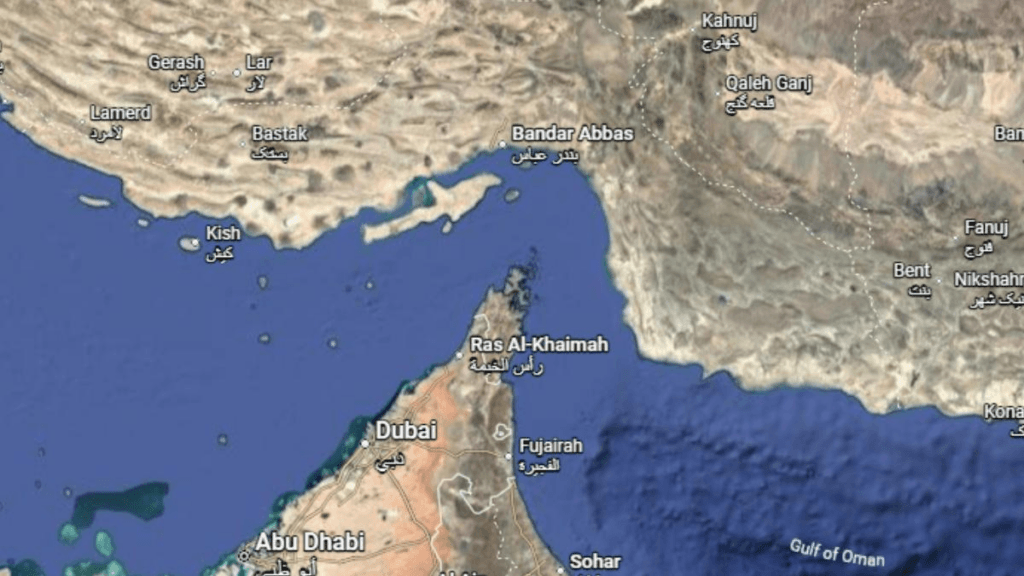
Iran’s decision to reimpose restrictions on the Strait of Hormuz has once again placed one of the world’s most critical energy chokepoints at the center of global attention. The move, announced on April 18, follows Tehran’s accusation that the United States breached a ceasefire understanding and failed to ease restrictions on Iranian shipping. At first glance, this looks like another episode in a long-running geopolitical standoff. But the details matter. Iran is not just restricting passage. It is proposing a new maritime regime that could reshape how vessels transit through the strait, with implications for oil prices, shipping insurance, and regional stability. Iran’s latest measures go beyond a simple closure or warning. Officials have outlined a structured framework governing vessel movement through the Strait of Hormuz. Under the proposed system: Iran’s military leadership has emphasized that control of the strait is now back under “strict management” by its armed forces. That language signals a shift from reactive enforcement to proactive regulation. Iran has previously threatened to block the Strait of Hormuz or harass tankers during periods of tension. What stands out this time is the attempt to formalize control: This suggests Iran is trying to convert geopolitical leverage into a structured system of control, rather than relying solely on unpredictability. To understand the gravity of the situation, it helps to look at the scale of what moves through this narrow waterway. Roughly one-fifth of the world’s oil supply passes through the Strait of Hormuz. It connects the Persian Gulf to international markets, making it indispensable for major exporters like Saudi Arabia, the UAE, Iraq, and Kuwait. Any disruption, even temporary, can trigger the following: Unlike other trade routes, there are limited viable alternatives: This makes the Strait uniquely sensitive to geopolitical friction. The current situation stems from a breakdown in expectations between Iran and the United States. Iran claims that it reopened the strait earlier under the assumption that US restrictions on Iranian shipping would ease. When that did not happen, Tehran reversed course. From Iran’s perspective: From the US perspective, maintaining pressure on Iran is tied to broader strategic goals, including nuclear policy and regional security. Iranian officials have made it clear that any interference with Iranian vessels could lead to additional measures. That raises the risk of: President Donald Trump has framed Iran’s latest move as a sign of progress rather than escalation. In public a remark suggested that the broader conflict was close to resolution. Mr. Trump also claimed in a phone interview with CBS that Iran had “agreed to everything.” But Iran’s top negotiator, Mohammad Bagher Ghalibaf, quickly denied Iran had agreed to any of their adversaries’ core demands. Even without a full blockade, the new Iranian Strait of Hormuz restrictions could ripple across energy markets. Markets tend to react quickly to perceived risk, not just actual disruption. If the situation persists: Shipping companies now face a complex decision matrix. Operators must decide whether to: Each option carries financial and operational consequences. The introduction of tolls and mandatory authorization raises questions: That remains the central question. If sustained, this could mark a shift from episodic disruption to managed control. Several indicators will determine how this situation evolves:
Iran Reimposes Restrictions on Strait of Hormuz, Raising Global Energy Concerns
Breezy Scroll•
Full News
Share:
Disclaimer: This content has not been generated, created or edited by Achira News.
Publisher: Breezy Scroll
Want to join the conversation?
Download our mobile app to comment, share your thoughts, and interact with other readers.