
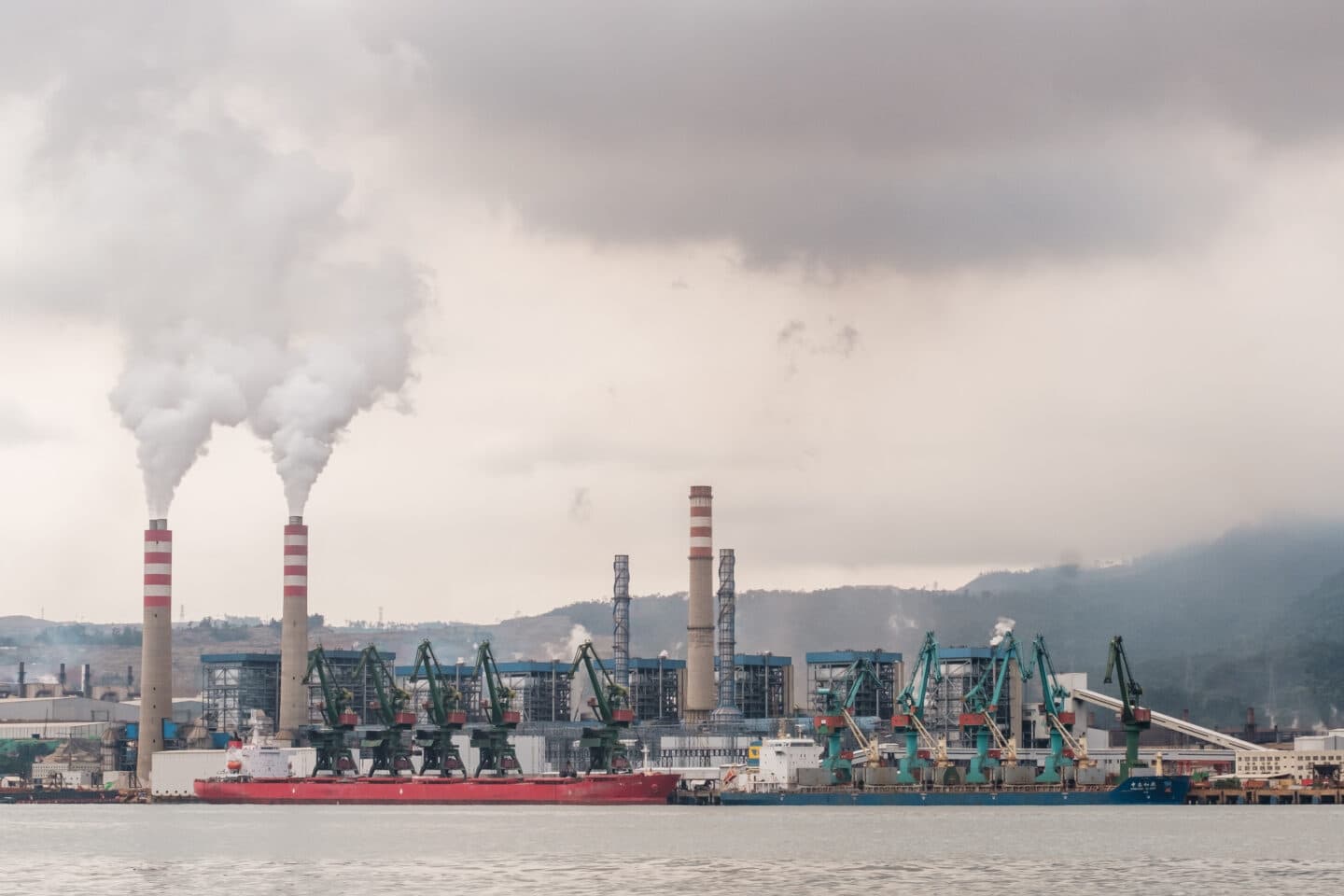
Lidy Nacpil is the coordinator of the Asian Peoples’ Movement on Debt and Development (APMDD) . The escalating instability in the Middle East has sent shockwaves through global energy markets, forcing Southeast Asian nations into a precarious position. While the region has made significant pledges to transition toward renewables, the threat of interrupted gas supplies and surging LNG prices is creating a dangerous incentive to prioritise immediate energy security over long-term climate goals. Instead of a smooth transition to renewable energy, the current crisis heightens the risk that the region will fall back on its existing, domestic coal infrastructure, potentially stalling decarbonisation efforts for years to come. As the conflict widens, the global energy landscape is weathering its most violent disruption since the 2022 invasion of Ukraine. For nations stretching from Vietnam to Indonesia, this crisis represents a direct assault on the cost of living and a systemic threat to the regional energy transition. The fragility of the current energy architecture was laid bare this week. Gas prices soared by 50% in a single day following a drone strike that paralysed production at the world’s premier LNG export hub in Qatar, the source of a fifth of global supply. With the Strait of Hormuz now a contested zone, the “liquid” in Liquefied Natural Gas has transformed from a flexible bridge fuel into a strategic liability. New life for aging coal plants? When vital shipping lanes become “no-go zones,” Southeast Asian nations are forced into a survivalist posture. In an environment where oil and gas are weaponised, coal – often sourced domestically or from immediate neighbours – becomes the desperate fallback for governments seeking to avoid industrial paralysis and social unrest. Despite the looming deadlines of the Paris Agreement, a “debt-fossil fuel trap” is forcing a false binary: maintain grid stability with coal or risk economic volatility in pursuit of carbon targets. With coal-fired generation in the ASEAN region already hitting record peaks in 2024 and 2025, this latest market shock threatens to breathe new life into aging plants in Thailand and Indonesia, effectively closing the window on early retirement pathways. The bitter irony of this volatility is that it often enriches the very actors who benefit from the carbon-intensive status quo. As Middle Eastern supply lines falter, the US fossil fuel industry is positioning its exports as a “secure” alternative. Feb 26, 2026 Politics World leaders invited to see Pacific climate destruction before COP31 Pre-COP meetings will be held in Fiji and Tuvalu in October with a separate event in Palau in August Read more Mar 2, 2026 News Uganda cites contentious IEA fossil fuel scenario backed by Trump administration Critics of the African nation’s oil ambitions say referencing the International Energy Agency’s most pessimistic scenario for climate action is a risky policy Read more Feb 26, 2026 Comment There is hope for Venezuela’s future – and it isn’t based on oil Developing Venezuela’s untapped renewables potential would be a massive undertaking, but an energy transition is the best way for the country to achieve stability and break oil-driven cycles of boom and bust Read more While Europe has already pivoted toward Washington to replace Russian gas, this is a hollow solution for Asia. It merely trades one form of geopolitical dependency for another, keeping local economies tethered to the pricing whims of distant conflicts and private interests. Fossil fuels are inherently inflationary and inseparable from conflict. They provide the capital for invasions and the leverage for geopolitical bullying. To insulate against these systemic risks, the only viable path for ASEAN is a radical doubling down on electrification and renewable energy. This strategic pivot is no longer just an environmental goal. It is a matter of fiscal survival. Renewables serve as hedge against volatility As the levelised cost of energy (LCOE) for wind and solar continues its terminal decline, these technologies serve as a structural hedge against the volatility tax inherent in global gas markets. For Southeast Asia, this transition marks a departure from a vulnerable, centralised legacy system toward a decentralised model shielded from external shocks. On April 28-29, the governments of Colombia and the Netherlands will host the First International Conference on the Just Transition Away from Fossil Fuels to identify legal, economic and social pathways to accelerate a just, orderly and equitable transition away from fossil fuels. This conference arrives at a critical juncture for climate finance and global peace through electrification and renewables. As we look toward the Santa Marta conference, the stakes have never been higher. And the setting could not be more symbolic: Santa Marta, a major coal-exporting port that handles over 50% of the coal exported from Colombia, serves as a visceral reminder of the old energy system we must leave behind. Moving beyond this legacy, however, requires more than voluntary pledges and symbolic gestures. It demands a departure from the volatile business-as-usual model that treats energy as a weaponised commodity. We need a fundamental systemic overhaul of the global energy architecture. This means moving beyond the “unmanaged” chaos of market-driven shocks toward a deliberate, financed transition that prioritises energy sovereignty over commodity dependence. True system change requires a new financial logic, one that empowers nations to run on homegrown wind and solar, which have already emerged as the most cost-effective options for new generation. By decoupling energy security from geopolitical volatility, we can protect workers and frontline communities while ensuring that energy is no longer a currency used to fund conflict. TAGS: Coal , fossil fuels , Oil and Gas , South-East Asia
Middle East Crisis Threatens Southeast Asia's Energy Security and Climate Goals
Climate Home News•
Full News
Share:
Disclaimer: This content has not been generated, created or edited by Achira News.
Publisher: Climate Home News
Want to join the conversation?
Download our mobile app to comment, share your thoughts, and interact with other readers.