
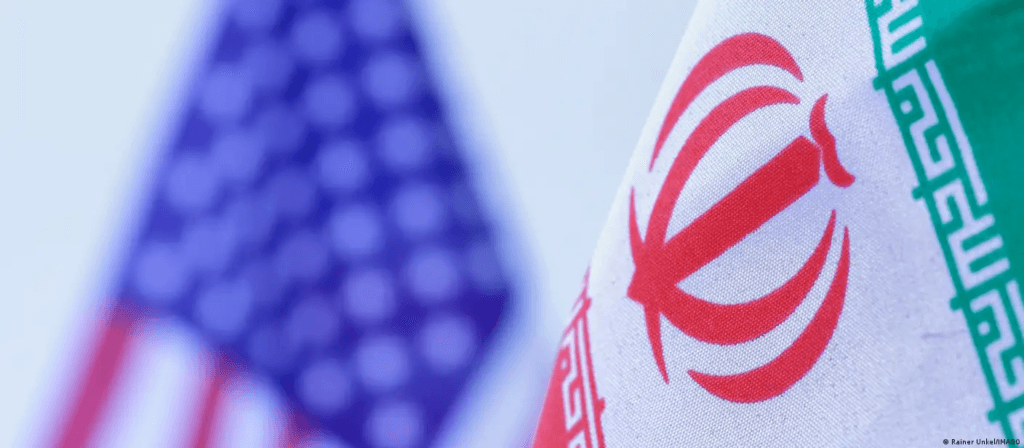
As the United States and Iran signal that a ceasefire agreement could be finalized as early as this weekend, one issue continues to dominate negotiations: the future of Iran’s stockpile of highly enriched uranium. Washington says any agreement must result in Iran’s enriched uranium being removed and destroyed, while Tehran insists that uranium enrichment is a sovereign right protected under international agreements. The disagreement highlights the core challenge that has shaped years of diplomacy over Iran’s nuclear program. Although officials on both sides have expressed cautious optimism about reaching a broader agreement, conflicting public statements suggest significant differences remain over the final terms. Enriched uranium has long been at the center of international concerns over Iran’s nuclear program. Natural uranium contains only a small percentage of the fissile isotope uranium-235. Through enrichment, that concentration is increased for various purposes. Lower levels of enrichment are commonly used to fuel civilian nuclear power plants. However, uranium enriched to much higher levels significantly shortens the technical pathway toward producing weapons-grade material if a country decides to pursue nuclear weapons. Because of this, negotiations have focused not only on whether Iran can enrich uranium, but also: According to reports citing a senior U.S. official, the emerging memorandum of understanding (MoU) would require Iran’s stockpile of highly enriched uranium to be destroyed and removed from the country. The official reportedly said: The United States has consistently argued that limiting Iran’s access to highly enriched uranium is essential to preventing nuclear weapons proliferation. Iran has repeatedly stated that uranium enrichment is a legitimate sovereign right under the Nuclear Non-Proliferation Treaty (NPT). Iranian officials maintain that: Iran has also rejected reports suggesting a final agreement has already been approved, with state-linked media emphasizing that negotiations are still ongoing and no agreed text currently exists. Al Jazeera also reported that Iranian Supreme Leader Mojtaba Khamenei stated that highly enriched uranium must not be shipped abroad. The reported measures include: If accurate, these steps could complicate any future effort to remove or verify the country’s uranium stockpile under an international agreement. Neither side has publicly confirmed the operational details of these reported security measures. One proposal discussed in previous rounds of diplomacy involves transferring Iran’s enriched uranium to a third country. Russia has repeatedly indicated it would be willing to store Iran’s enriched uranium under international supervision if doing so helped secure a broader agreement. Some media reports have also suggested that Iranian officials have explored transferring part of the country’s 60% enriched uranium stockpile abroad. However, other reports indicate influential voices within Iran oppose sending highly enriched uranium outside the country, illustrating the political sensitivity surrounding the issue. The dispute extends beyond technical nuclear issues. For the United States and its allies, reducing or eliminating Iran’s stockpile lowers the risk of rapid nuclear weapons development. For Iran, retaining enrichment capabilities has become a matter of national sovereignty, technological achievement, and strategic leverage. As a result, control over enriched uranium has become both a security issue and a political symbol, making compromise particularly difficult. Officials from both countries have suggested that negotiations are progressing, but substantial differences remain. If an agreement is reached, implementation would likely require: Until a final text is formally announced, the fate of Iran’s enriched uranium remains one of the most consequential unanswered questions in the negotiations.
US and Iran Near Ceasefire Agreement, But Disagreement Over Enriched Uranium Remains
Breezy Scroll•
Full News
Share:
Disclaimer: This content has not been generated, created or edited by Achira News.
Publisher: Breezy Scroll
Want to join the conversation?
Download our mobile app to comment, share your thoughts, and interact with other readers.